THE POWER OF WATER
The only fast-charging aqueous zinc battery to handle rapid power fluctuations
No risk of thermal runaway
Wide operating temperature range
Innovation
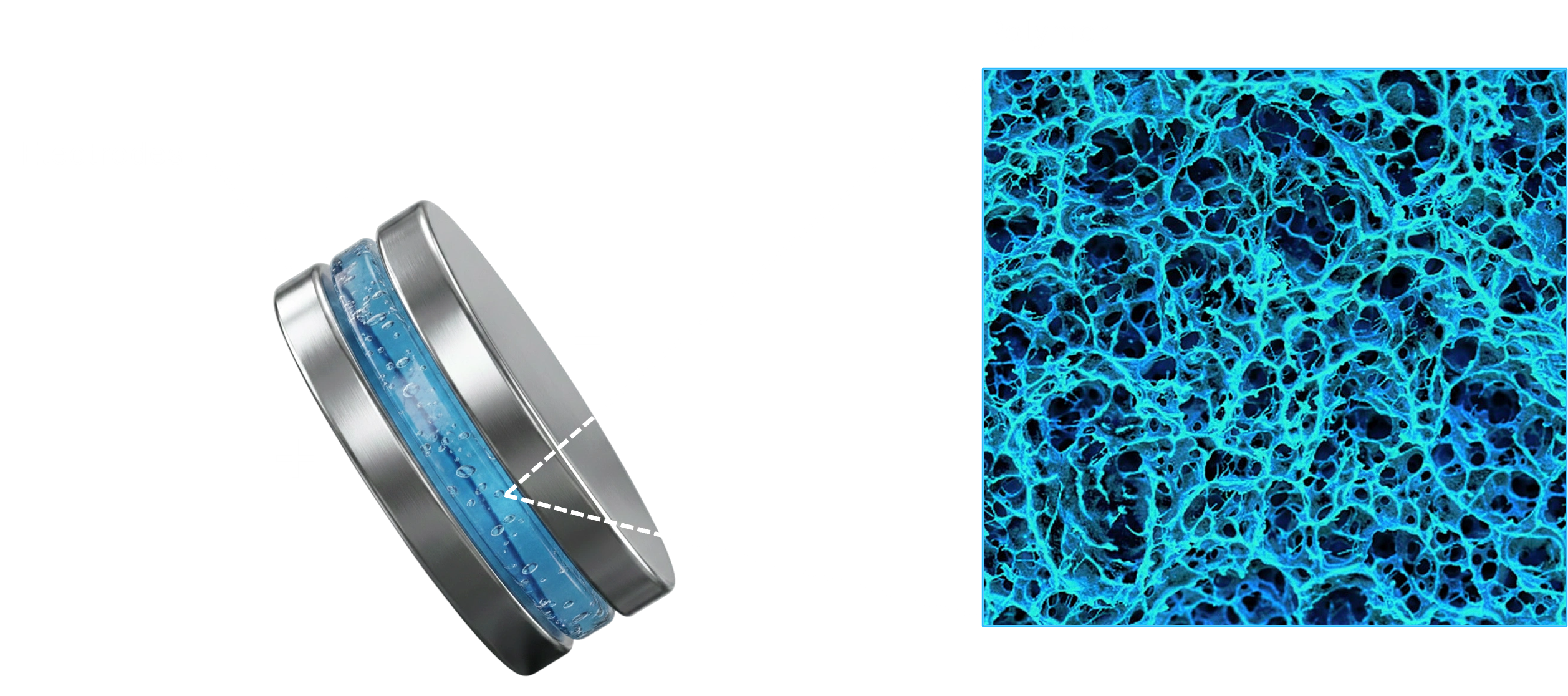
The innovation behind our zinc battery is our low cost, water-based hydrogel separator
Made from widely available components
Maximises electrolyte concentration for high power performance
Applications
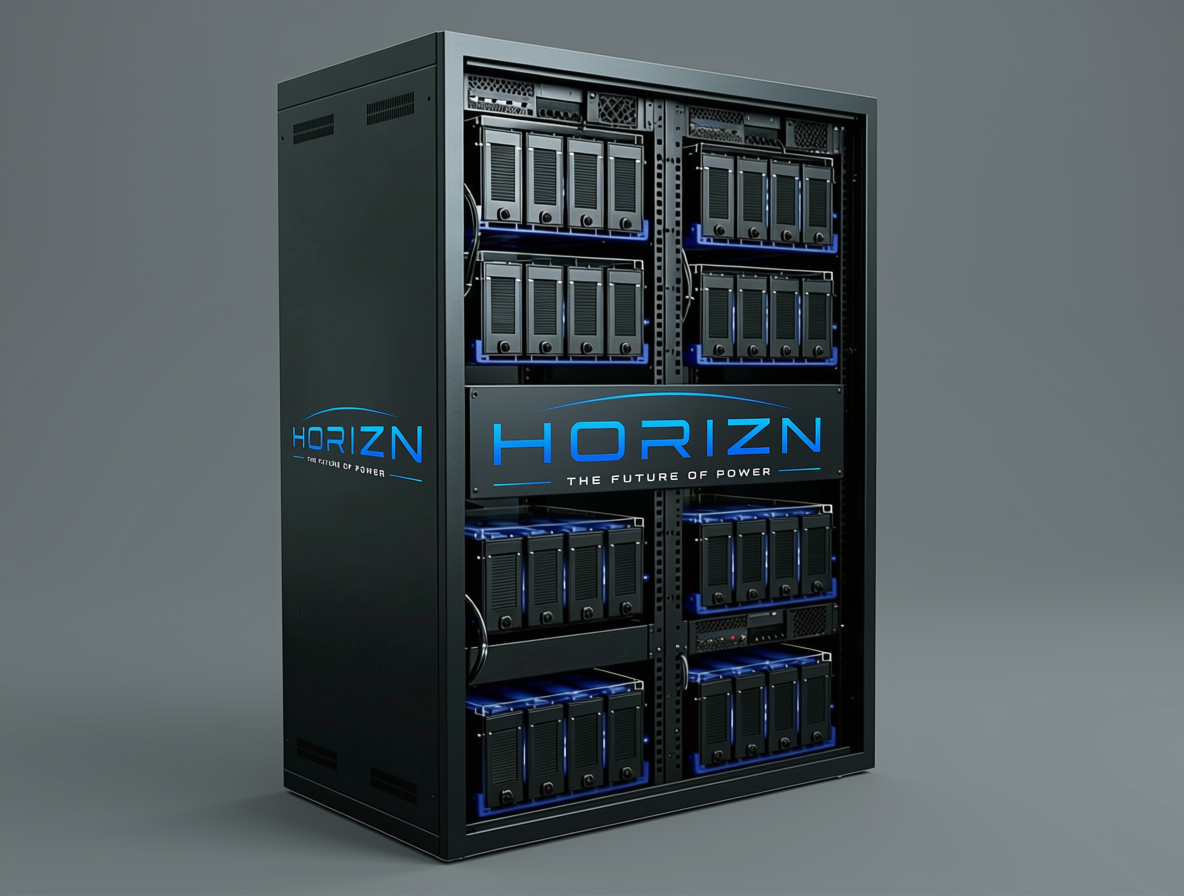
Data Centres
To safely manage rapid power demand and drop off
Utility-scale
Facilitates grid management and the growth of renewable energies
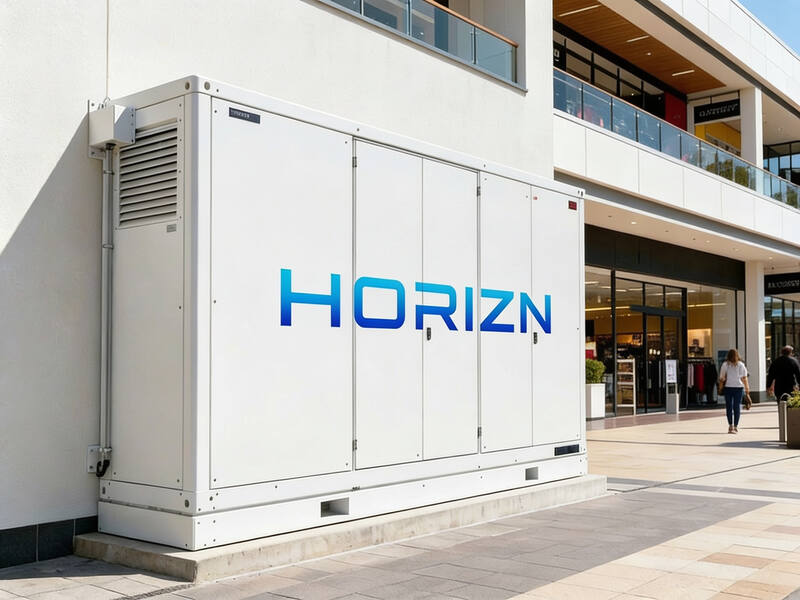
Behind-the-meter
Energy storage for commercial and industrial properties
Management Team
Jane Hunter
Dr Shelley Brown
Prior to Zinc, Shelley worked as the Battery Technology Adviser for bp, before becoming Chief of Staff to the Senior Vice President of Launchpad & Ventures bringing together and leading bp's incubator, growth accelerator (Launchpad) and capabilities in venture capital, technology commercialisation, intellectual asset management and technology insights to create a world-class innovation engine.
Previous experience includes Technology and Business Development Director of Battery Materials at Johnson Matthey plc, Manager in Technology and Innovation at AGL Energy, and CEO of VSPC, a startup scaling novel process technology to manufacture battery materials.
Marcus Scott
Previously as CFO and COO of TheCityUK for 10 years, he was responsible for leading the company’s strategy development and day to day implementation, winning the Global Excellence 2017 award for the Industry Association CFO of the year. He represented TheCityUK in the media, on overseas projects in collaboration with British Embassies around the world and gave parliamentary evidence to the Treasury Select Committee and Lord’s Home Affairs Committees on various issues affecting the Financial and related Professional Services industries, one of the UK’s most successful industries.
Dr Ed Marshall
Anne Gager
Board of Directors
Michael Alen-Buckley
Jane Hunter
Lord Michael Spencer
Ian Wright
Pete Hutton
Alex Bamberg
William Heathcote
Dr Shelley Brown
Marcus Scott
News & Press
Superdielectrics has launched its next generation aqueous polymer battery, marking a significant technological upgrade. Introducing the Faraday 2.
This launch marks a major milestone in the company’s mission to revolutionise energy storage with a safer, more sustainable, and cost-effective alternative to traditional lithium-ion batteries. The Faraday 2 builds on the success of the Faraday 1 prototype, being a major step towards the offering of a fridge-sized residential energy storage unit capable of reducing household electricity bills by 85% or more.
Developed from advances in contact lens polymers, Superdielectrics’ internationally patented technology uses abundant, non-toxic materials and contains no critical or rare earth metals. With a full charge time of just 30 minutes, significantly faster than a traditional battery, the Faraday 2 is designed to store surplus renewable energy efficiently, enabling flexible tariffs and greater energy independence for homes. This innovation addresses the growing need for scalable energy storage across Europe’s rapidly expanding renewable energy sector, and also offers a transformative solution to lower electricity costs, enhancing energy security.
Key advantages of the Faraday 2 include:
- Safe: Unlike lithium-ion batteries, approximately 50% of the technology is water-based, eliminating the risk of thermal runaway which is a fire-safety hazard.
- Low cost: The technology does not rely on critical metals making its materials cheaper than lithium-ion batteries with securer supply chains.
- Sustainability: Built with readily available, materials that are easily recyclable.
- Long lifecycle: Potential for even longer use than existing batteries.
- Energy density potential: Currently outperforming lead-acid batteries and with ongoing R&D efforts to surpass currently available lithium-ion energy storage capacity in the future.
Jim Heathcote, CEO of Superdielectrics, commented:
“The launch of Faraday 2 is a major step towards a low cost and clean energy future, as well as a key milestone for us as we work towards a commercial product. As the world shifts towards renewable energy, storage is the technological bottleneck. Our technology is low cost, safe and recyclable, helping the world in the global transition to sustainable energy.”
Julian Lennertz, Chief Commercial Officer at E.ON Next, commented:
“The transition to cleaner energy is about making that energy more affordable and sustainable, and our partnership with Superdielectrics is one of a huge number of ways we are working to help customers take control of their energy by making energy storage widely available. We are delighted to be a part of the Superdielectrics journey, sharing insight into how millions of customers use energy and what they need to benefit from a smarter energy system. The launch of Faraday 2 is an important milestone in the evolution of battery design using readily available materials – and is yet another world-leading innovation designed and developed in the UK.”
Cambridge, UK based Superdielectrics Group Plc has developed a breakthrough energy storage technology. The new technology stems from an ongoing collaboration with leading researchers at the University of Bristol who identified and validated the key mechanisms involved.
The Company’s vision is to create affordable, sustainable, energy systems. This could mean affordable grid independent energy anywhere in the world. Such systems require economically viable energy storage. The energy storage market is currently dominated by lithium-ion and lead-acid batteries. The Company’s patented new polymer-based energy storage technology solves the issue of dealing with rapidly fluctuating and intermittent renewable energy which makes it difficult to store solar and wind energy economically.
Superdielectrics’ energy storage technology combines electric fields (physics) and conventional chemical storage (chemistry) to create a new aqueous polymer-based energy storage technology. The Company is today formally launching the Faraday 1, its state-of-the-art hybrid energy storage technology. The technology behind the Faraday 1 has completed over 1 million hours of testing to create a system that already has the ability to significantly out perform lead-acid batteries and has the potential, with further development, to match or exceed existing Lithium-ion batteries.
The technology behind Faraday 1:
- Aqueous polymer-based technology that solves the issues of storing fluctuating and intermittent renewable energy.
- Highly efficient store of energy that charges over 10 times faster than lead-acid batteries with high cycle life.
- Safe store of energy – negligible fire risk.
- Low costs – uses readily available abundant raw materials.
- Recyclable.
- Huge scale of addressable opportunity with $50bn/year lead-acid battery market including electric scooter, forklift and off grid markets.
Jim Heathcote, CEO of Superdielectrics, commented:
“The team at Superdielectrics has worked incredibly hard to develop a ground-breaking technology that has the potential to revolutionise the energy storage market. Our breakthroughs deliver the potential, at last, to create the sustainable, global decentralised energy systems that the world desperately requires.
The properties that our technology possess enables it to compete with and exceed current solutions in the energy storage arena across a number of key metrics whilst leading the way in sustainability, recyclability and affordability.
This is a remarkable achievement by all concerned and we now look forward to commercialising our platform and products – we have seen global interest in our technology.”
Professor Marcus Newborough, Director of R&D of Superdielectrics, commented:
“The combination of the benefits of rapid charging and sustainability used for energy storage now make it possible to create worldwide affordable and clean energy systems.
In the future, the continuing development of our pure supercapacitor technology could surpass all existing battery technologies.”
Professor David Fermin, Head of the Bristol Electrochemistry and Solar Team and Net Zero Ambassador for the University of Bristol, added:
“It is a privilege to be part of the most exciting technology in the energy sector that I have seen involving our organisation. These state-of-the-art supercapacitors have the potential to become a game-changer in energy storage. Superdielectrics’ devices are not only highly competitive against mature technologies in terms of energy and power density, but they are also free of critical elements, using earth-abundant materials with a lower environmental impact than other energy storage technologies. I can see Superdielectrics developing into a major player in this global market, providing safe and affordable sustainable energy for everyone.”
Professor Phil Taylor, Pro Vice-Chancellor Research and Enterprise from the University of Bristol, said:
“Superdielectrics’ technology offers a new route to developing a clean energy system.”
Enquiries: please contact us via our contact page or directly on +44 (0) 1223 679 460.
The sustainable electrical energy storage specialist secures Suite 2 in the Science Village
Cambridge, UK, 15 February 2021: Chesterford Research Park is delighted to welcome material research company Superdielectrics to the Park’s prestigious Science Village.
Superdielectrics is developing high energy density, low cost, low environmental impact electrical energy storage devices that will help create a clean and sustainable global energy and transportation system. Supercapacitors store energy using electrodes and electrolytes and both charge and deliver energy quickly, unlike conventional batteries which perform the same task in a much slower way with the added hazard of end-of-life waste. Superdielectrics’ supercapacitors are safe, fast, contain no rare materials or conflict metals and have the added benefit of reducing pollution and waste.
Superdielectrics join fellow Science Village occupiers including Diagnostics for the Real World, Camena Bioscience and Oxford Nanopore in this energy-efficient, high-quality building, so stimulating company is guaranteed.
Jim Heathcote, CEO, Superdielectrics said: “Superdielectrics Ltd is delighted to have taken research and development laboratories at Chesterford Research Park. We are developing a completely clean and sustainable energy system using our unique high energy density supercapacitor materials.
“We are driven by strong environmental and social values which are shared by Chesterford Research Park. These are exciting times as we strive to tackle fundamental scientific problems that could reduce global poverty and starvation while cleaning up the environment.”
Chesterford Research Park provides an innovative and future-proofed environment for both established and early-stage biotechnology and pharmaceutical research and development companies. In addition to Superdielectrics, the Park is home to technology and life science innovators including Arecor, AstraZeneca, Lonza, Charles River Laboratories, Cambridge Epigenetix, Domainex and Oncologica.
Julian Cobourne, Senior Asset Manager, Aviva Investors, joint owners of Chesterford Research Park with Uttlesford District Council added: “I am thrilled that the innovative team at Superdielectrics will be continuing their ground-breaking work at Chesterford Research Park. With its focus on sustainability and the environment, Superdielectrics’ aims are complementary to that of the Park.
“Integral to the Cambridge biotech cluster, Chesterford Research Park continues to attract leading bioscience ventures. The fitted nature of the Science Village remains extremely popular with companies seeking ‘plug and play’ facilities, which negates the requirement for a protracted and sometimes expensive fit-out process. Superdielectrics are in good company in this truly unique setting with stunning natural parkland surroundings.”
Careers
Embracing Diversity & Innovation
We are committed to equal employment opportunity regardless of race, colour, ancestry, religion, sex,
national origin, sexual orientation, age, citizenship, marital status, disability, or gender identity –
because we believe diverse perspectives drive innovation.
Current vacancies
The job holder will be part of the Scale-up and Development Team, collaborating closely across engineering, product, application testing and commercial functions to translate innovation into deliverable products.
Direct reports: Individual Contributor
SuperDielectrics (SD) is pioneering a breakthrough battery technology designed for the high-power markets of the future, supporting the global shift to electrification. Our water-based batteries deliver market-leading performance through a novel polymer separator, combined with zinc halide electroactive species and carbon-based porous electrodes.
To accelerate commercialisation, SD operates a fully integrated product development model – from advanced materials through to cells, modules and packs – underpinned by in-house battery management systems.
As a Battery Module Engineer, you will play a key role in scaling this step-change technology, supporting the integration of cells into high-performance systems and enabling deployment into real-world applications.
You will work within the Scale-up and Deployment team, collaborating closely across engineering, product, application testing and commercial functions to translate innovation into deliverable products.
This is a rare opportunity to join a high-growth, entrepreneurial business at a pivotal stage. While experience in battery technologies is advantageous, we actively welcome candidates from adjacent fields – bringing fresh perspectives to complex engineering challenges. In return, we offer a world-class environment to develop deep expertise in next-generation energy storage.
Key responsibilities
You will be:
- Accountable for the scale-up of laboratory cells into large-format cells, including design, assembly, and validation activities
- Responsible for designing compression system concepts, with characterisation across both cell and module levels
- Responsible for defining and implementing thermal and gas management strategies at cell and module scale
- Responsible for establishing and continuously improving quality control approaches for functional and packaging components at cell level
- Responsible for designing and integrating cell-to-module electrical interfaces in collaboration with Electronics Team
- Interact closely with the Cell Mechanical Engineer to align on scaled cell design, prototyping methodologies, validation, and module packaging strategies
- Responsible for creating and maintaining high-quality CAD models and engineering drawings to support packaging, prototyping, and manufacturing
- Responsible for change control activities within the function, including maintaining accurate Bills of Materials, Engineering Change Notices, and full design traceability
- Champion safe working practices, ensuring compliance with internal safety standards, training, and engineering best practices
Are you the ideal candidate?
You will have/be:
- Degree in Mechanical Engineering or related discipline; alternatively, have demonstrable experience in a similar role from a related field of expertise
- Demonstrable hands-on experience scaling products from prototype through to production in a commercial environment (battery/energy storage experience advantageous)
- Proven track record of designing practical, manufacturable, and cost-efficient solutions, with strong Design for Manufacturing (DFM) and Design for Assembly (DFA) capabilities across metal and plastic processes
- Good working knowledge of CAD and engineering drawing, including tolerance analysis and design release practices
- Track record of delivering complex engineering projects to challenging timelines in fast-paced environments
- Ability to navigate ambiguity and drive practical solutions in evolving technical landscapes
- Clear and structured communicator, able to document and transfer technical knowledge effectively
- Collaborative and proactive mindset, with the ability to operate both independently and across functions
Closing date for applications: 22 April 2026
Apply for this Role
The job holder will be part of the Applications Team, collaboratively closely across engineering, product, application testing and commercial functions to translate innovation into deliverable products.
Direct reports: Individual Contributor
To accelerate commercialisation, SD operates a fully integrated product development model – from advanced materials through to cells, modules and packs – underpinned by in-house battery management systems.
As a Senior Electrochemist / Electrochemical Engineer, you will lead the characterisation of our technology and shape the development of next-generation cells: boosting performance, power and energy density, improving safety and cycle life, and driving down cost.
You will work within the Applications team, collaborating closely across engineering, product, application testing and commercial functions to translate innovation into deliverable products. This is a rare opportunity to join a high-growth, entrepreneurial business at a pivotal stage. While experience in battery technologies is advantageous, we actively welcome candidates from adjacent fields – bringing fresh perspectives to complex engineering challenges. In return, we offer a world-class environment to develop deep expertise in next-generation energy storage.
Key responsibilities
You will be:
- Accountable for improving the electrochemical characterisation methodology to deepen the understanding of cell reactions, material interactions, and performance characteristics.
- Responsible for designing and conducting advanced electrochemical experiments, including data analysis and interpretation. Collaborate across the technology teams to translate electrochemical insights into cell performance improvements across multiple scales – lab, scaled cells, modules, packs including battery management system. Identify and protect intellectual property (IP) where applicable.
- Responsible for identifying and executing on value-add external collaborations.
- Collaborate closely with the Commercial and Technology teams to determine customer requirements and coordinate applications-associated testing activities.
- Support the Commercial team as a technical expert and coordinate associated electrochemical testing.
- Interact closely with the Operations team to drive continuous improvement in quality control methodology across materials, electrodes, and cells.
- Collaborate with Data Lead to continuously improve data analysis methodologies that translate through to commercial value. Further, collaborate with Modelling lead to ensure electrochemically-derived parameters are consistent with and inform physics-based models.
- Champion safety, effective training and adherence to SD safety rules and best practices.
Are you the ideal candidate?
You will have/be:
- PhD-qualified in electrochemistry or electrochemical engineering, or a related area; alternatively, have demonstrable experience in a similar role from a related field of expertise.
- Demonstrable experience in electrochemical energy conversion and storage, preferably in a business environment. Experience with battery systems will be viewed as advantageous.
- Expertise in extracting meaningful insights from electrochemical data relating to the electrode–electrolyte interface and multiscale interactions (e.g. porous electrode theory); experience in characterising and evaluating degradation mechanisms over time is advantageous.
- Demonstrable track record in leveraging electrochemically-measured properties to ensure a more efficient scaling path, including safeguarding performance in the field, will be viewed as advantageous.
- A genuine enthusiasm for data, including large, complex datasets, and a proactive mindset oriented toward insight and action.
- Ability to navigate complex problems/changing situations and take proactive action to drive toward solutions and improvements.
- Highly effective communicator, with excellent interpersonal skills and experience working across functions and sites.
- Excellent, versatile and timely written skills; capture technical details in documents that will transfer into scale-up methodologies and effectively engage with language specific to IP applications and other functions.
- Exceptional written communication skills – able to document technical detail with precision, contribute meaningfully to IP applications, and tailor language appropriately for diverse audiences and functions.
Closing date for applications: 22 April 2026
Apply for this Role
Contact Us
info@superdielectrics.com
Address
Superdielectrics Ltd
Chesterford Research Park,
Little Chesterford,
Cambridge
CB10 1XL
Company registration number: 08536866
VAT number: 193 650 979
Socials